Barong dance in Bali: myth, meaning & best places to watch

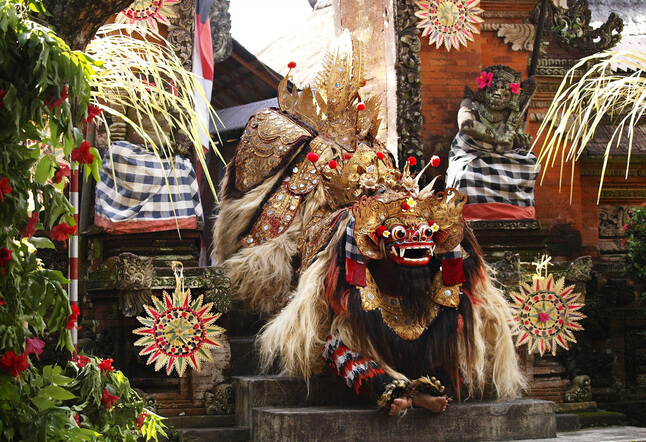
The Barong Dance in Bali isn’t just a performance. It’s a window into the island’s soul.
I’ve seen this powerful tradition firsthand during temple ceremonies and public shows across Bali.
Whether you’re a cultural enthusiast or a curious traveler, experiencing the Barong Dance is an unforgettable way to understand the spiritual fabric of Balinese life.
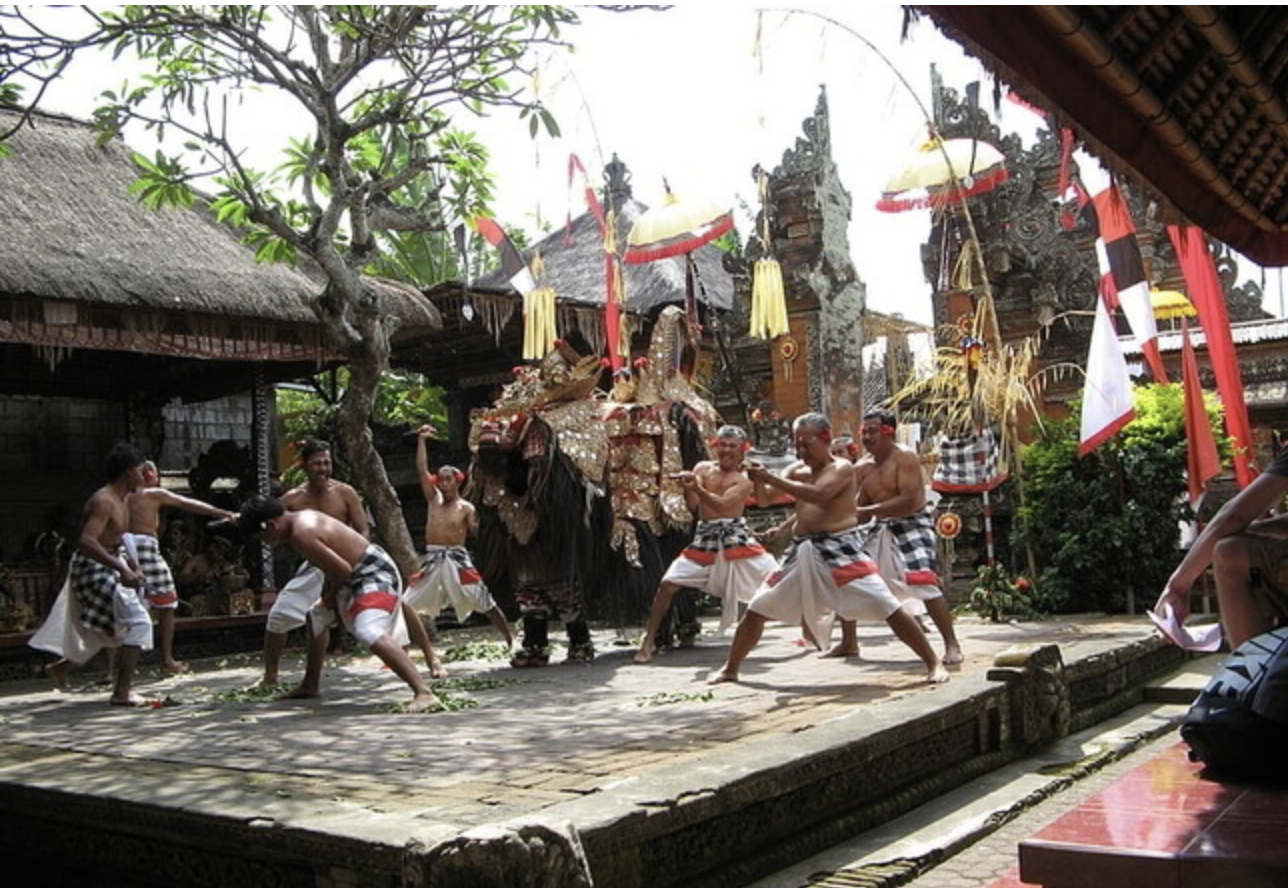
What is the Barong dance?
At its core, the Barong Dance is a theatrical portrayal of the eternal battle between good and evil in Balinese mythology. Barong, the lion-like protector spirit, symbolizes good, while Rangda, the terrifying witch, represents chaos and darkness.
This dance illustrates the balance of opposing forces, a cornerstone of Balinese Hindu beliefs.
Many Barong performances are closely connected to sacred traditions like the Melukat purification ceremony in Bali, which locals perform to cleanse the body and spirit before important rituals.
History and myth of Barong
The origins of the Barong Dance trace back to the 10th century and are rooted in the ancient tale of Calon Arang. As someone who has followed Balinese traditions for years, I’ve found that every performance, no matter where it’s held, echoes this story of cosmic duality.
The myth recounts how Barong protects humans from Rangda’s black magic, reinforcing the importance of harmony over domination. In every performance, you can feel the sacredness of the ritual and the community’s dedication to preserving this legacy.
Types of Barong in Bali
Different regions in Bali celebrate Barong in various forms. Each version reflects local beliefs and spiritual practices.
- Barong Ket: The most iconic, lion-like figure used in major ceremonies.
- Barong Landung: Towering puppet-like forms representing male and female ancestral spirits.
- Barong Macan: Tiger-shaped and symbolizes courage and ferocity.
- Barong Celeng: Pig-shaped, tied to fertility and agricultural prosperity.
- Barong Gajah: Elephant-shaped, used in rare and deeply sacred temple rituals.
These variations demonstrate the richness of Balinese spiritual symbolism and how the dance adapts across villages.
What happens during a Barong dance performance?
The dance typically begins with light-hearted scenes. Two monkeys playfully tease the Barong while gamelan music plays in the background.
Then Rangda appears and throws black magic at the male dancers, placing them in a trance and commanding them to commit suicide using kris daggers.
This is when the sacred energy of the Barong is summoned. With the help of a priest and the use of holy water from Mount Agung, the dancers are spiritually protected and do not suffer injuries.
This sequence is known as the Kris Dance, and watching it in person is both intense and deeply moving.
The final act features the symbolic battle between Barong and Rangda. There is no absolute victory. Instead, the battle ends with Rangda fleeing, and balance is restored. It’s a representation of life’s eternal struggle between darkness and light.
Where to watch the Barong dance in Bali
Here are the best places to witness this dance live, based on both tradition and performance quality:
Batubulan Village
A cultural hotspot located near Denpasar. Performances are held daily at 9:30 AM. The open-air stages provide an authentic village atmosphere.
Ubud Royal Palace
Centrally located in Ubud, this is a popular choice among tourists. Traditional architecture adds to the spiritual experience. Some performances are moved indoors during rain.
Garuda Wisnu Kencana (GWK) Cultural Park
Home to the spectacular Baraong Show, a modern interpretation with five Barongs, enhanced lighting, and theatrical choreography. Held Wednesday through Saturday at 6 PM.
ARMA Museum (Agung Rai Museum of Art)
Offers weekly performances and immersive dance workshops. This is ideal for those seeking a deeper connection to the culture.
You’ll often notice tall, decorated bamboo poles around Barong dance venues, known as penjor, which represent prosperity, gratitude, and harmony in Balinese Hindu culture.
Barong dance vs Reog dance in Java
The Barong Dance is sometimes confused with the Javanese Reog Dance, but they are very different.
Reog Ponorogo, from East Java, features a single dancer carrying a massive lion-like mask weighing up to 40 kilograms in their teeth, sometimes with a child sitting on top. Unlike the trance-driven storytelling of the Barong, Reog is focused on physical endurance and acrobatics.
Both are valuable cultural treasures, but the Barong Dance remains deeply rooted in Balinese spiritual practice.
Frequently Asked Questions
What’s the meaning behind the Barong Dance?
It portrays the eternal struggle between good (Barong) and evil (Rangda), reflecting the need for balance in life.
How long does a performance last?
Typically between 60 to 90 minutes.
Is it safe for children to watch?
Yes, though some scenes may be intense for very young viewers. It’s recommended to explain the cultural context beforehand.
What is the Kris Dance?
The Kris Dance is a sacred trance segment where dancers attempt to stab themselves with traditional daggers, symbolizing the triumph of spiritual protection over dark magic.
Can you learn the Barong Dance?
Yes, you can. I once attended a workshop at ARMA Museum and found it incredibly rewarding. The instructors taught basic footwork, hand gestures, and mask handling. While it takes years to become proficient, just a single session can deepen your appreciation of the tradition.
Workshops like these are open to tourists and locals alike, and they offer a rare opportunity to connect personally with Balinese culture.
To fully understand the Balinese philosophy of balance between light and darkness, it’s also worth learning about Nyepi in Bali, the sacred Day of Silence that marks spiritual renewal across the island.
Final Thoughts
Whether you’re standing in a crowded amphitheater or a quiet village courtyard, the Barong Dance transcends performance. It’s ritual.
It’s resilience. And it’s real. From my personal experience, witnessing the Barong Dance is more than cultural appreciation-it’s spiritual participation.
If you’re planning a visit to Bali in 2026, make room in your itinerary for this dance. It’s a living myth you can witness with your own eyes, and one of the most meaningful cultural experiences you can have on the island.

Free Wellness E-Book
Find Your Zen!
Your Free Guide
To Wellness
Download Your Free Guide & Receive Weekly Inspirations From The Lifestyle Of a Modern Yogi!