Nyepi in Bali 2026: a sacred day of silence you must experience

A personal perspective after living in Bali for 17 years
If there’s one moment that truly defines the spirit of Bali, it’s Nyepi. Living on this island for nearly two decades, we’ve witnessed many temple ceremonies, cultural processions, and celebrations-but nothing ever compares to the stillness and depth of Nyepi.
Bali’s New Year, based on the Saka calendar, is not welcomed with fireworks, parties, or countdowns. Instead, it’s marked with silence, introspection, and spiritual reset.
In 2026, Nyepi falls on Thursday, March 19th, starting at 5:59 AM, and ending exactly 24 hours later.
What is Nyepi and why is it important?
Nyepi means “to keep silent.” It’s a sacred Balinese Hindu holiday where the entire island comes to a complete stop. No cars, no lights, no talking. Even Bali’s international airport shuts down. The silence is not a punishment-it’s a collective pause, a cleansing of energy, and a sacred gift.
For those visiting, it’s a once-in-a-lifetime opportunity to experience a cultural moment unlike anything else in the world. For us, even after all these years, Nyepi remains one of the most beautiful days of the year.
The week of rituals before Nyepi
The magic of Nyepi is not just in the silence. It’s in the days leading up to it.
Melasti ceremony
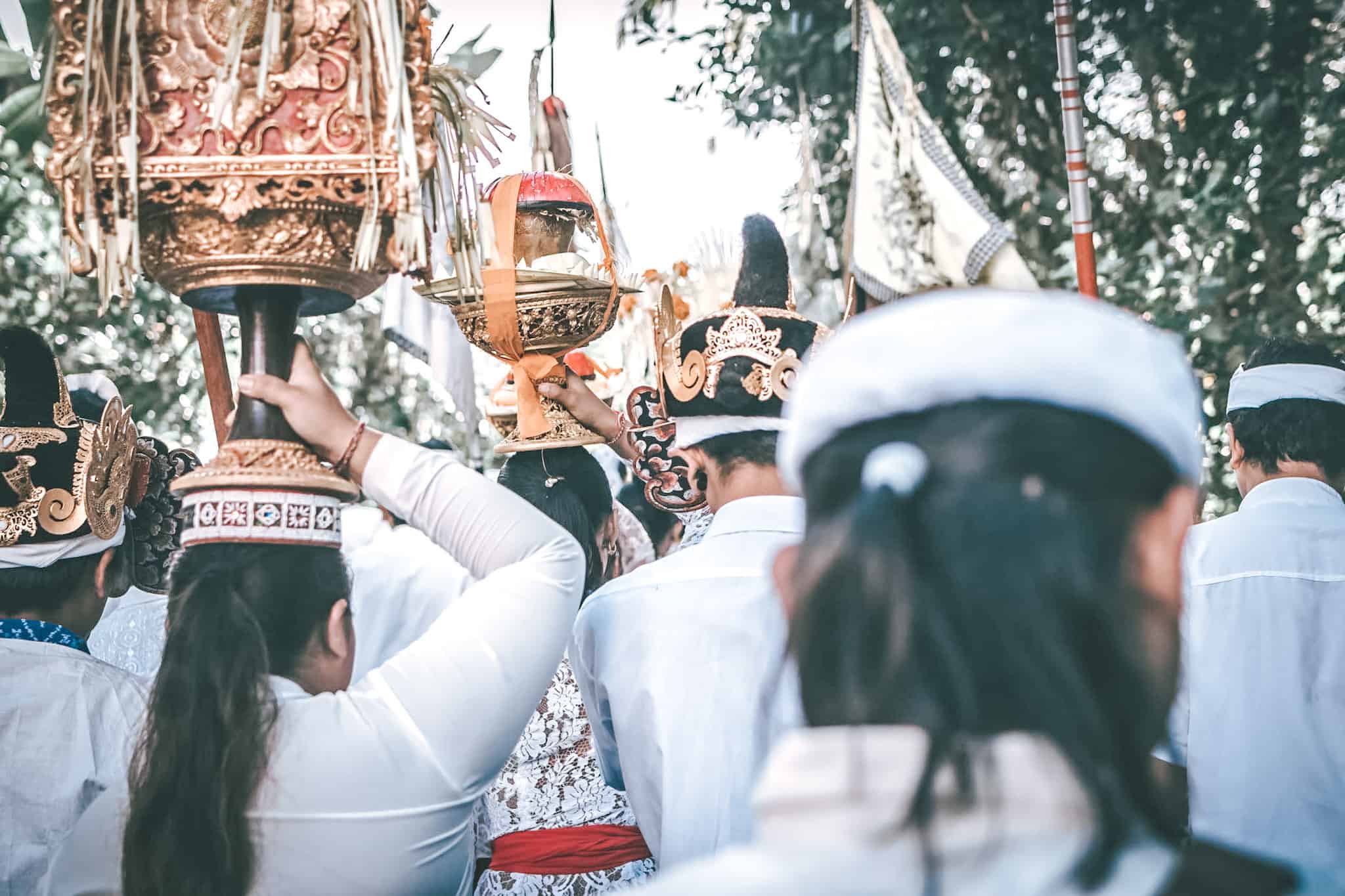
A few days before Nyepi, you’ll see thousands of Balinese Hindus in traditional attire making their way to the ocean. It’s the Melasti ritual, a purification ceremony to cleanse sacred temple objects-and the soul-with holy water. If you want to understand the deeper side of Balinese Hinduism, witnessing this procession is a must.
Explore deeper: [Melukat in Bali: a water purification ritual]
Ogoh-Ogoh parade, the night before
On the evening before Nyepi, the streets come alive with giant Ogoh-Ogoh effigies. These massive demons made of bamboo and papier-mâché represent negative forces, which are chased away in loud, fiery processions. The parade is wild, creative, and unforgettable.
This is the perfect moment to explore how Ogoh-Ogoh reflects Balinese mythology and community expression.
What happens on Nyepi day?
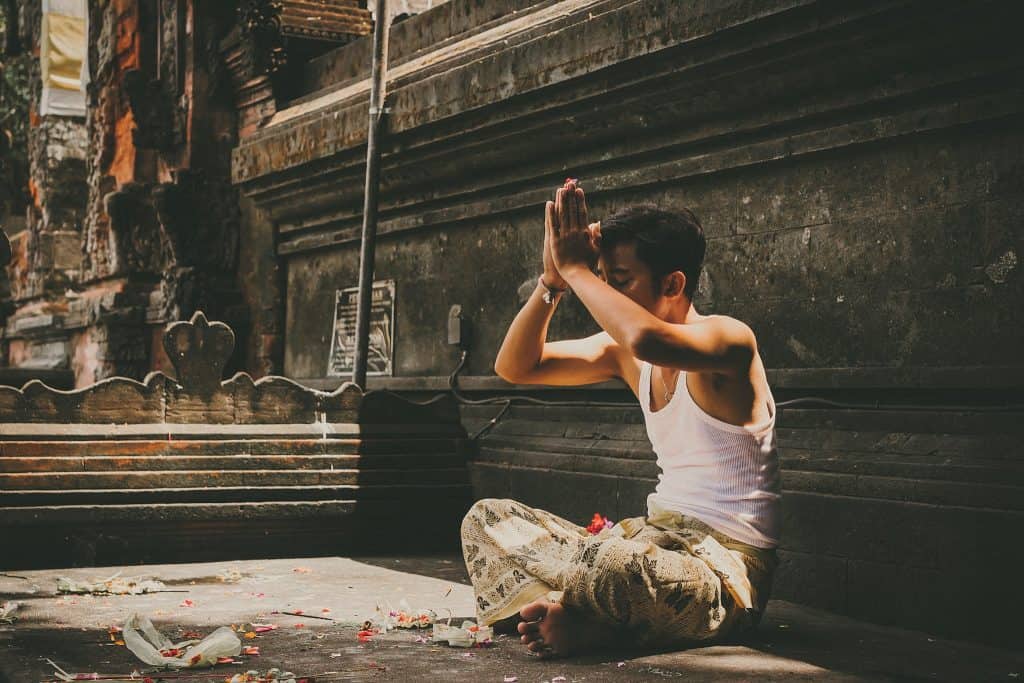
From 5:59 AM on March 19th until the next sunrise, Bali goes completely silent. The rules of Catur Brata Penyepian are observed:
- No fire/light (Amati Geni) – lights must be kept low and indoors
- No travel (Amati Lelungan) – everyone stays inside
- No work (Amati Karya) – it’s a day of rest and reflection
- No entertainment (Amati Lelanguan) – no noise, screens, or pleasure-seeking
Even the beaches close, and local community guards (pecalang) patrol to ensure everyone observes the stillness.
As a family, we spend the day journaling, meditating, and simply being. No screens. Just silence. And every year, we’re reminded of what truly matters.
The day after: Ngembak Geni
The following morning, Bali awakens. Families reunite, forgiveness is exchanged, and communities reconnect. It’s one of the happiest and most heartfelt days on the island.
Some villages even hold the Omed-Omedan “kissing festival”, a joyful event to welcome the New Year with laughter and love.
Nyepi 2026 practical tips
- Book early: Hotels get full. Some offer special Nyepi packages with meals, spa treatments, and indoor activities.
- Prepare for stillness: Stock up on food and essentials the day before.
- Respect the culture: This is a deeply sacred day. Please observe it respectfully.
From personal experience
The first time we experienced Nyepi, we didn’t know what to expect. But now, it’s something we look forward to every year. It’s a rare kind of peace-a break from the outside world and a return to what’s within.
Whether you’re a traveler seeking meaning, or just someone who needs a pause, Nyepi offers something the modern world doesn’t: stillness.
For more info on Bali’s best spots for the modern yogi
| STAY | SPA | PLAY | EAT | SHOP | YOGA |
Download our ULTIMATE BALI Travel GUIDE for free.



Free Wellness E-Book
Find Your Zen!
Your Free Guide
To Wellness
Download Your Free Guide & Receive Weekly Inspirations From The Lifestyle Of a Modern Yogi!