Whole Health Project breathwork coach training reviews: my experience as a beginner

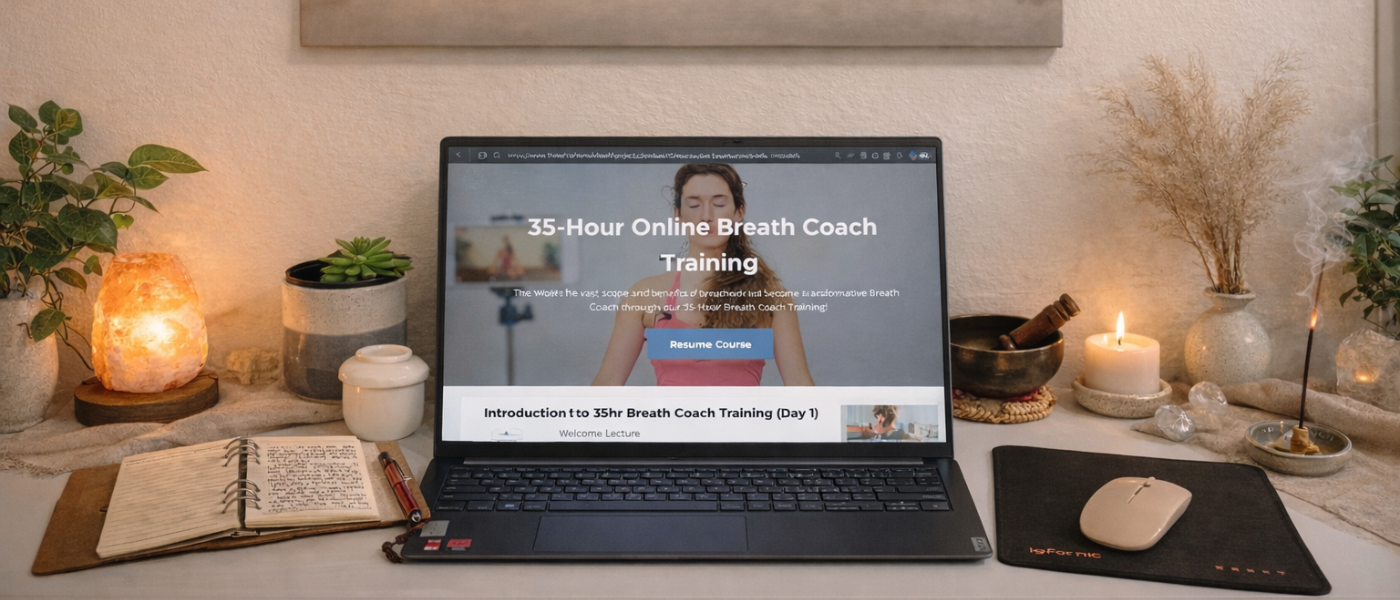
So, I just finished this 35-hour online breath coach training.
I’ve tried a few breathwork things before, some intense, some vague, but this one was different. It wasn’t about wild techniques or pushing limits.
It was about learning to listen, to slow down, and to actually build a practice that feels sustainable, not exhausting.

Overview
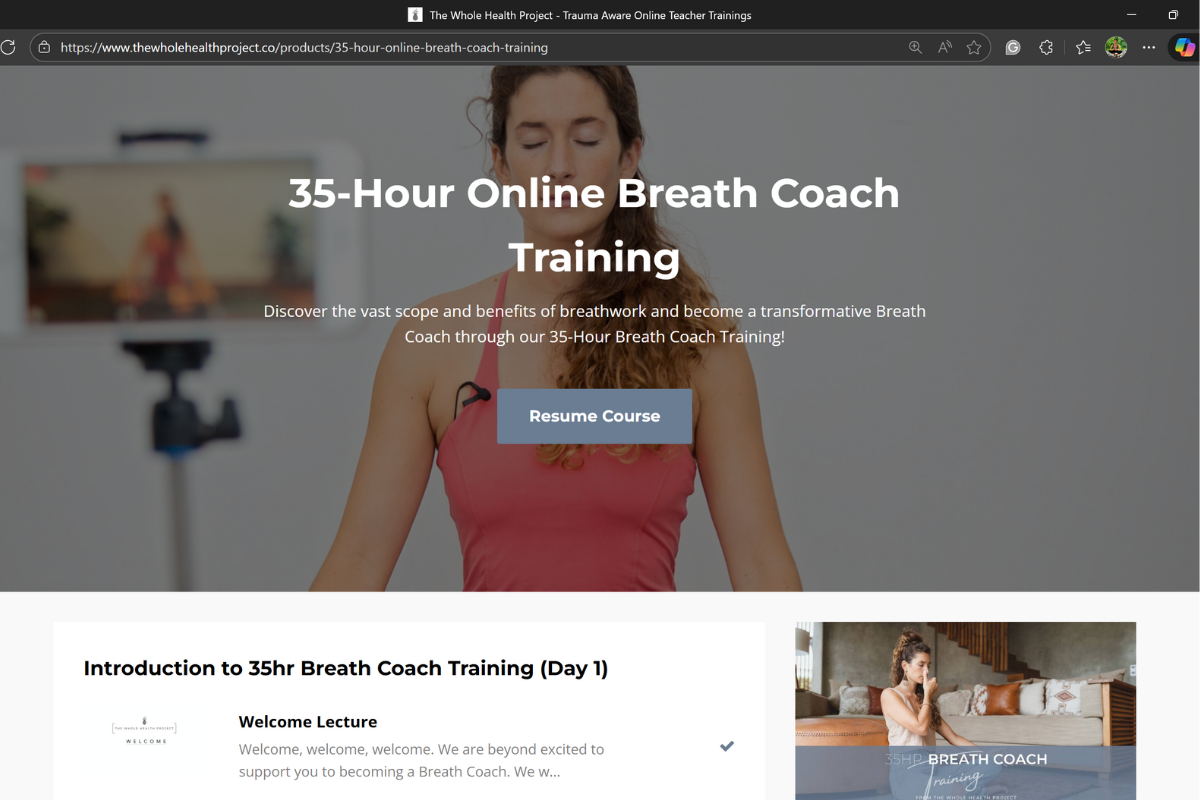
The course is run by The Whole Health Project, founded by Rachel Fearnley and Lucy Hamilton.
Their whole philosophy is “breath for regulation, not for show.” That mindset wasn’t just a tagline it shaped everything, from the content to the way we were encouraged to learn. It felt grounded, accessible, and safe above all, exactly what I was looking for in a breathing coach certification online.
Curious how this course stacks up?
Check out our full breakdown of the best online breathwork certification programs to compare formats, pricing, and credentials.
My unique learning experience
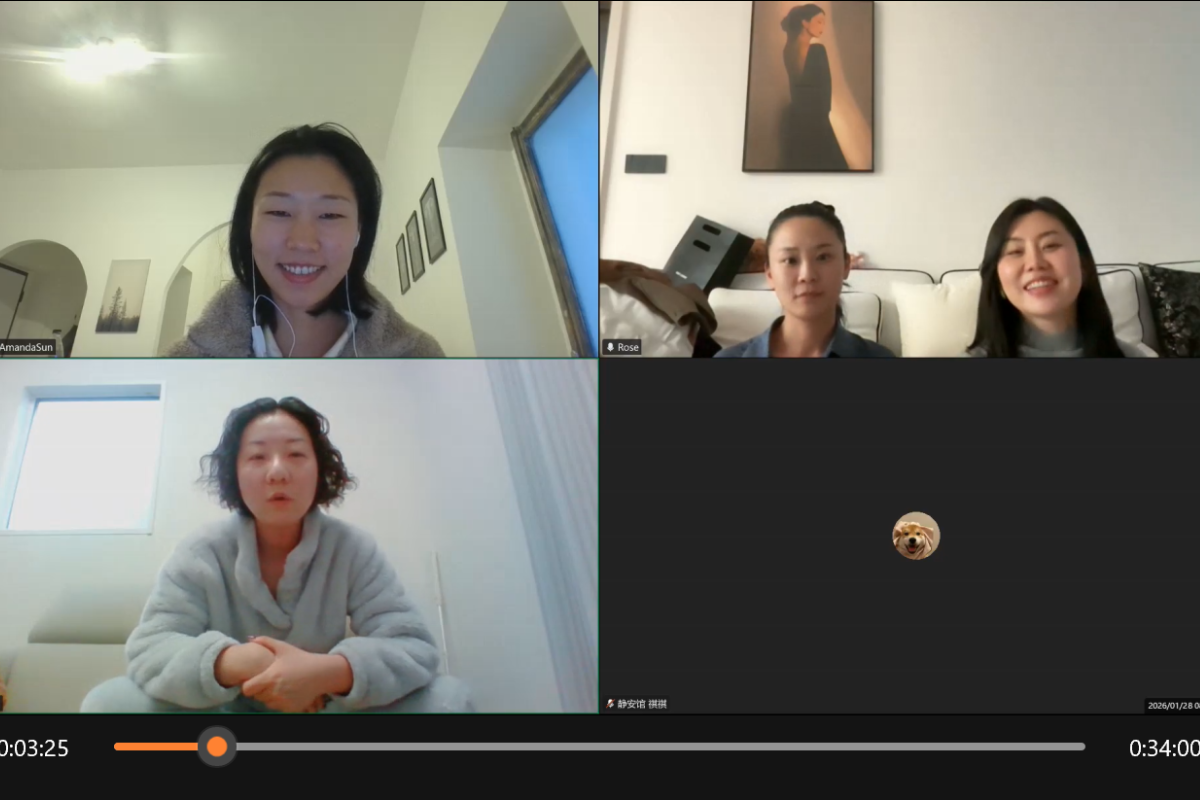
Here’s the thing: we breathe about 22,000 times a day without thinking. This training teaches you to think about it, gently.
The first few days were almost embarrassingly simple. I just… paid attention. Slowed it down. Felt where the breath moved. I decided to drop my expectations and just follow along.
That simplicity was the point. By week two, doing practices like three-part breath or long exhales, I started noticing things, a rib that didn’t expand as much, a habit of holding tension in my shoulders. The trainers kept framing these not as “problems,” but as “useful information.” That shifted everything from judgment to curiosity.
The big lesson that kept coming back: real change comes from consistent, mindful repetition, not force.
Course content & structure
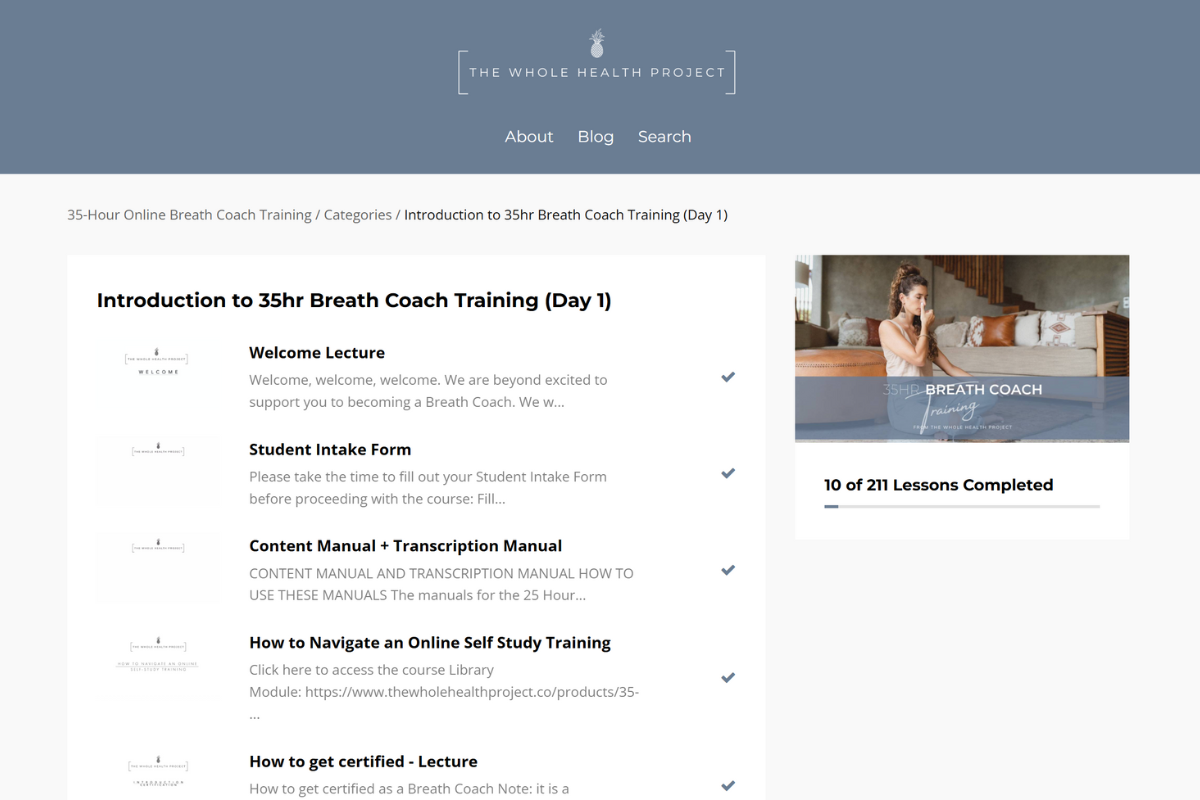
The structure made sense. It starts with the absolute basics (like, “what is the diaphragm, actually?”) and builds from there, always explaining the why before the how.
They used really helpful images, like imagining your torso as a bottle filling with water, to make the anatomy feel less abstract.
| Structure | Content | Days | Main Focus | Why It’s Designed This Way |
| Introduction | Introduction to 35hr Breath Coach Training | Day 1 | Course overview, learning expectations, and personal practice requirements | Sets a clear structure and learning context before the content begins |
| Module 1 | The Fundamentals – Part 1 & Part 2 | Day 1–2 | Breath fundamentals, basic anatomy & physiology, shared terminology | Creates a common foundation and understanding of breath |
| Module 2 | Breath Awareness & Conscious Breathing / Relaxation, Coherent Breathing & Diaphragmatic Massage | Day 3–4 | Breath awareness, conscious breathing, relaxation, coherent breathing, diaphragmatic support | Moves from theory into felt experience and regulation |
| Module 3 | The Practices – Anytime, Calming & Uplifting (Part 1–3) | Day 5–7 | Different breath practices categorised by use: everyday, calming, uplifting | Builds a practical “toolbox” and teaches when to use each practice |
| Module 4 | Movement to Support the Breath – Part 1 & Part 2 | Day 8–9 | Using movement to support breathing, breath–body connection | Integrates breath into the body rather than isolating it in stillness |
| Module 5 | The Art of Teaching – Part 1 & Part 2 | Day 10–11 | Teaching skills, coaching awareness, one-to-one and group guidance | Shifts focus from personal practice to safe, clear teaching |
| Module 6 | Certification | Day 12–13 | Integration, reflection, certification requirements, and assessment | Consolidates learning and prepares for certification |
| Module 7 (Bonus) | The Business of Breath Coaching | Day 14 | Professional and business considerations | Optional support for those wishing to work professionally |
Curious what it would feel like to guide others through breathwork confidently, even if you’re just starting out?
That’s exactly what Whole Health Project’s training offered me. It’s one thing to read about nervous system regulation… it’s another to embody it, and then share it. If trauma-aware facilitation is what draws you to this training, our full guide to trauma-informed breathwork is worth reading alongside it.
👉 Explore the Breath Coach Training and see if it resonates with you.
What I loved: the integration
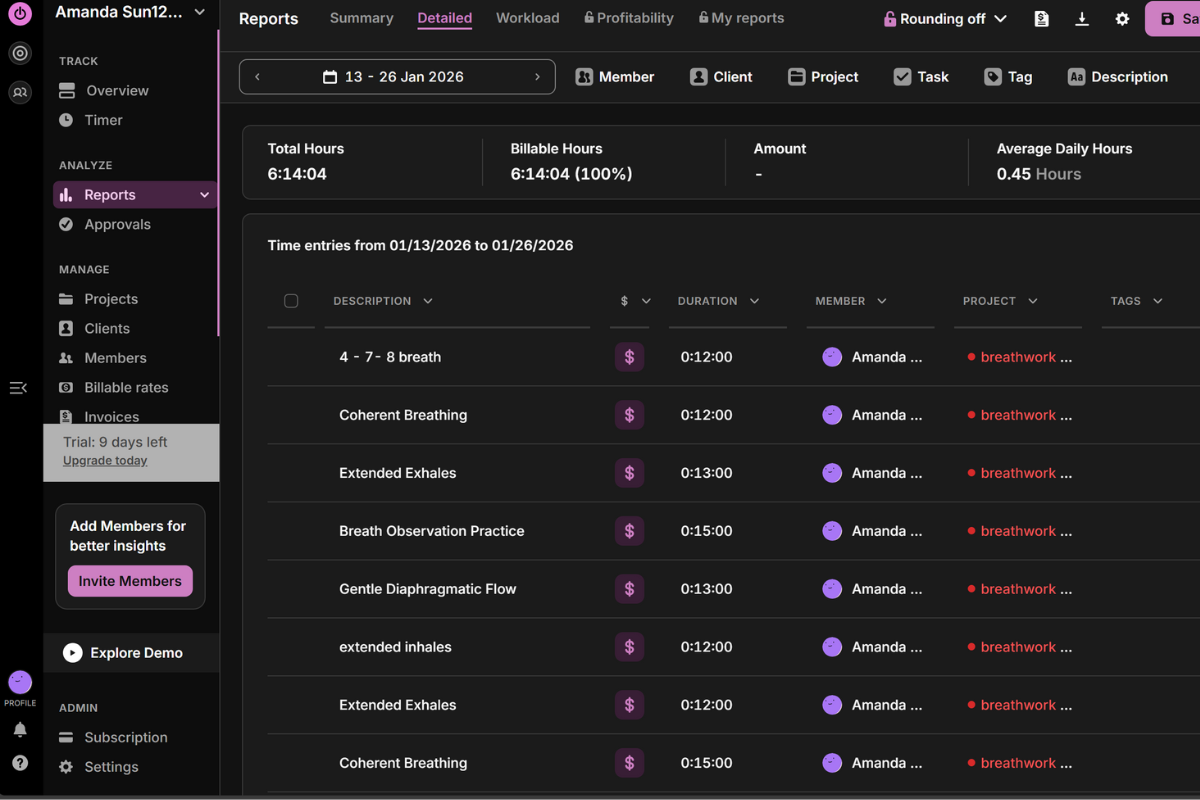
This wasn’t just a video library. What made it stick was the integration:
- Daily Practice Tracking: We used a simple timer app (Toggl). Knowing I was logging 15-20 minutes a day created a gentle rhythm without pressure. It became a habit, not a chore.
- Reflection Prompts: After each module, a short form asked: “What clicked? What’s still fuzzy? How did that feel?” This forced me to process the material, not just consume it.
- Real Teaching Practice: We had to record ourselves guiding the techniques. Terrifying at first, but it bridged the gap between “knowing” and “being able to teach.” The feedback was constructive and kind.
Ready to explore more options? See our curated guide to the top breathwork teacher training options available online right now.
Pros and cons

Pros
- Clear, accessible explanations of breath physiology
- Strong focus on safety and nervous system regulation
- Structured personal practice that supports habit-building
- Thoughtful reflection processes that deepen integration
- Practical teaching assignments applicable to real-world settings
Cons
- Those seeking dramatic or extreme breathwork experiences may find the approach too subtle
- The course requires consistency and self-responsibility to fully benefit.
“If I waited until I felt ‘ready,’ I would’ve missed this entirely.”
Breathwork taught me how to show up for others by showing up for myself first.
Ready to take the next aligned step?
Check out the Whole Health Project’s Breath Coach Training here, designed for total beginners and rooted in nervous system safety, science, and soul.
Who it’s perfect for
- A yoga teacher, therapist, or coach wanting to add solid, nervous-system-friendly breath tools to your work.
- Someone curious about breathwork but intimidated by intense, cathartic styles.
- A person who values sustainable daily habits over quick fixes.
Who this is not for
- Are chasing dramatic, high-intensity “breathwork journeys” for peak experiences.
- Want a purely theoretical course without personal practice requirements.
Conclusion
I never thought I’d feel confident guiding someone through something as intimate as their breath. But now? I can’t imagine not doing it.
If you’re even a little curious, give yourself permission to explore.
This training was more than I expected, grounded, professional, and surprisingly life-shifting.
➡️ Learn more about Whole Health Project’s Breath Coach Training.
In a world of wellness trends shouting for attention, this training was a quiet, steady conversation.
It didn’t teach me how to breathe “better.” It taught me how to listen to my breath and in doing that, it taught me how to listen to my nervous system.
If you want a grounded, intelligent, and genuinely integrative introduction to breath coaching, this is a fantastic place to start. It’s the kind of learning that sticks with you long after the certificate arrives.
This was my experience, but if you want to see what others are choosing, check out our list of the most recommended breathwork courses online with reviews, features, and who each one is best for.
References
- Cleveland Clinic. Breathwork: what it is and how it works.
- National Library of Medicine. Breathing practices and their physiological effects.
FAQs
Yes, the program is built around gentle, sustainable practice rather than intensity, which makes it approachable even if you’ve never done formal breathwork training before.
It’s a 35-hour online program, structured for steady, daily integration rather than an intensive weekend format.
Yoga teachers and wellness professionals looking for a grounded, teachable methodology focused on nervous system regulation, rather than dramatic or intense breathwork styles.

Free Wellness E-Book
Find Your Zen!
Your Free Guide
To Wellness
Download Your Free Guide & Receive Weekly Inspirations From The Lifestyle Of a Modern Yogi!
Really interesting perspective. I’ve been curious about breathwork trainings lately so this helped alot.
Loved this honest review. Beginner experiences are actually the most useful to read.
This article gave me clarity on what sets this program apart from others. I didn’t realize how much support and feedback was included, sounds very cool.
Nice write up. I like reading real experiences before signing up for something like this. Helps me decide if it’s worth the time and money.
Very detailed and honest. I wasn’t sure if an online breathwork coach training could feel personal, but the way the reviewer talks about community makes it sound like it does.
I’ve been thinking about doing a breathwork course for a while and this review was exactly what I needed to read. It gave a good sense of what to expect without sounding too salesy.