Bhutan, in Balance


Where ancient wisdom meets modern life, without losing itself.
We live in a world overflowing with information yet quietly starving for wisdom. We track everything, optimise constantly, and move faster each year, but burnout and disconnection seem to follow closely behind.
During my time in Bhutan, I began to sense why this Himalayan kingdom feels so different from anywhere else I’ve travelled.


This was not just another Bhutan trip. It felt like an invitation to reconsider how we measure success, progress, and well-being.
Bhutan is often described as being “stuck in time.” What surprised me most is that this description misses the point entirely. Bhutan is not frozen in the past; it feels timeless. And that distinction matters deeply for anyone interested in mindful living and conscious travel.
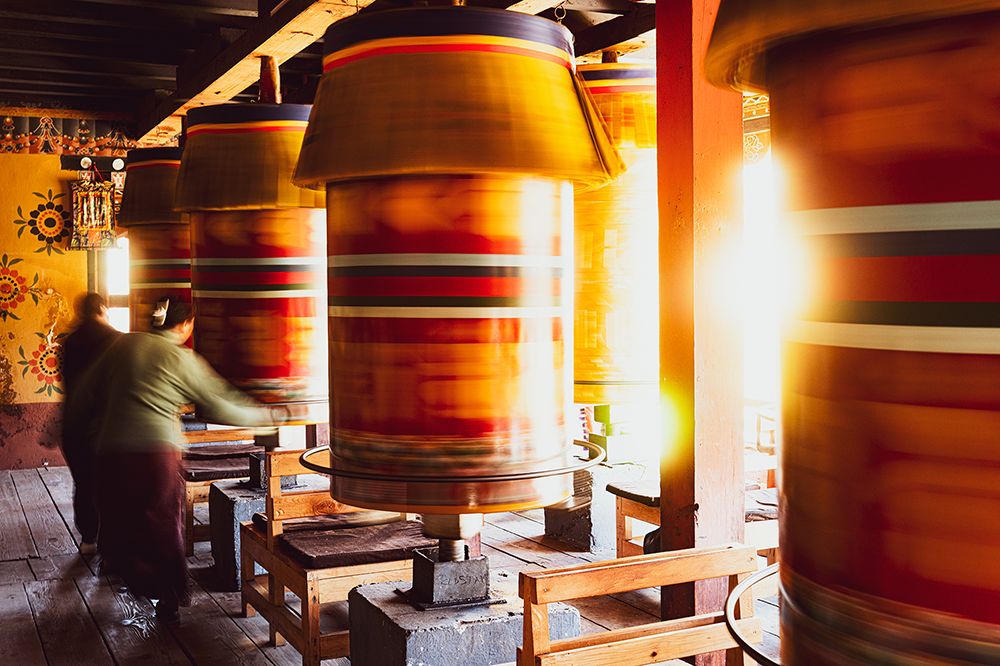
How to get to Bhutan and the first impressions
Understanding how to reach Bhutan is part of what makes the journey unique. Flights land at Paro airport, one of the most technically demanding airports in the world.
Only a few pilots are certified to land there, navigating a narrow valley surrounded by Himalayan peaks.
After arriving in Paro, what struck me was not what the Paro Valley offered, but what it chose not to include. No highways, no high-rise buildings, no fast-food chains. Even the road signs feel reflective rather than directive.
For those asking if Bhutan is safe, especially first-time visitors, the calm and orderliness of arrival provides an immediate answer.
Not this or that, but this and that
One of the most powerful insights from my journey to Bhutan was seeing how ancient wisdom and modern life intersect without conflict.
There is no rejection of technology here, and no romantic escape into nostalgia. Instead, there is discernment.
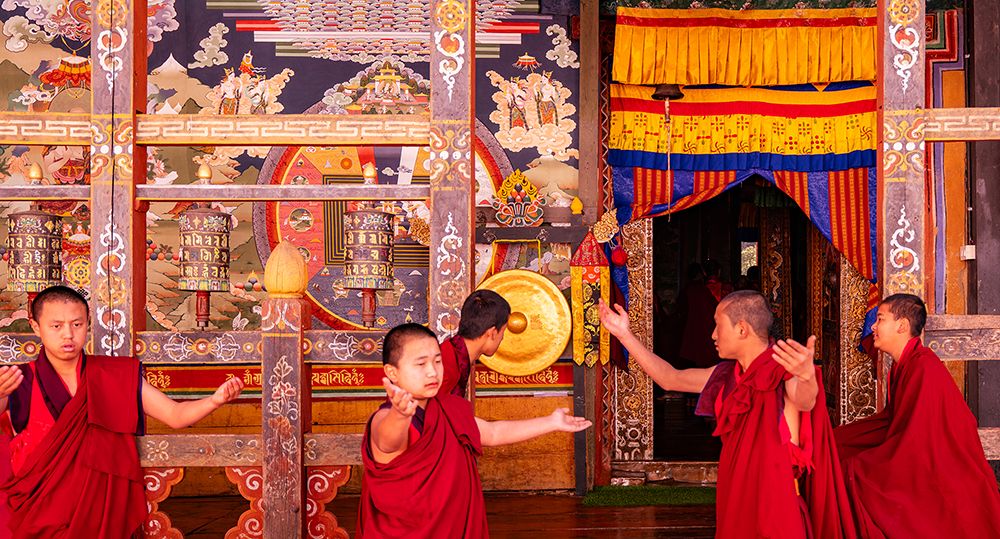
While travelling in Bhutan, I encountered smartphones, QR codes, and modern infrastructure alongside centuries-old rituals, temples, and traditions. These elements coexist without competing for attention. This balance feels deeply aligned with yogic philosophy: integration rather than opposition.
In a world obsessed with speed, Bhutan travel offers something rare, the permission to slow down without falling behind.
Gross National Happiness in daily life
Bhutan’s philosophy of Gross National Happiness is often misunderstood as abstract or symbolic. On this journey, I experienced it as something far more practical.
Bhutan tourism is intentionally designed around quality rather than volume. Visitor numbers are managed, expectations are clearly set, and the well-being of local communities remains central. This approach shapes the entire Bhutan travel experience.
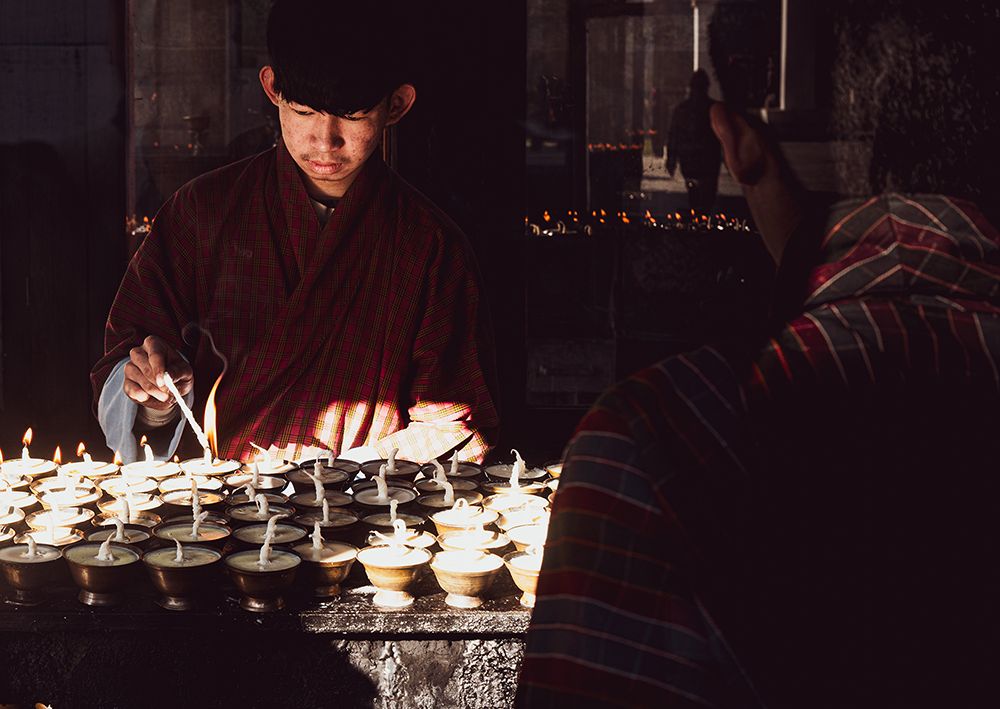
During my 10-day journey carefully curated by DrukAsia, I noticed how belief systems quietly guide policy and everyday decisions. Progress is questioned, not resisted. Development is welcomed, but only when it serves the whole.
Mindfulness without performance
Mindfulness in Bhutan is not marketed. It is lived.
After arriving in Paro, the absence of visual noise was immediately noticeable.
No billboards. No aggressive advertising. Just space. Space to walk, breathe, and notice your internal landscape.
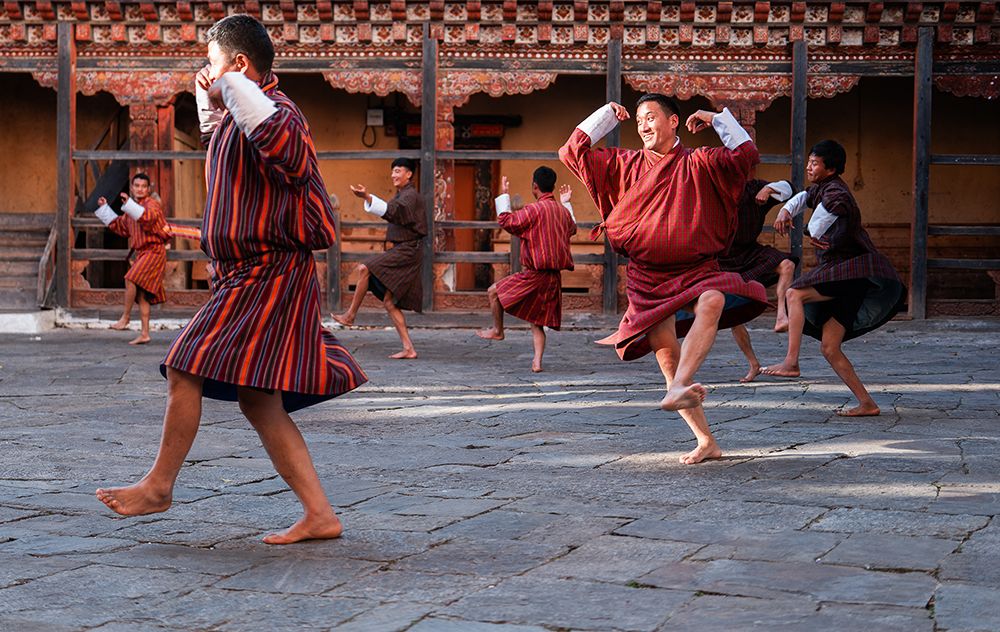
Temples and monasteries are not tourist sites; they are active places of practice.
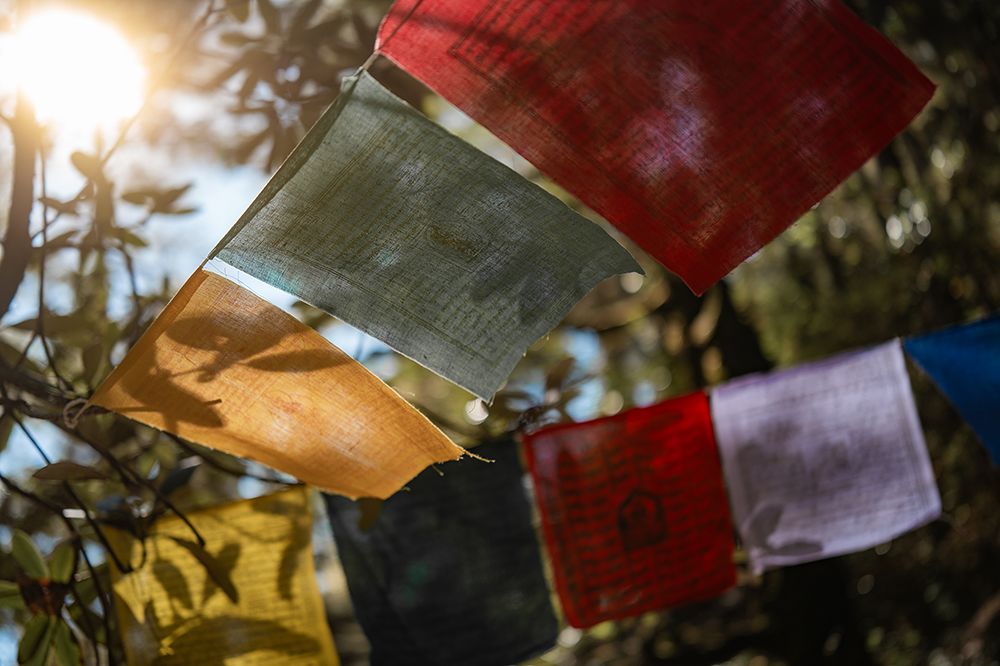
Prayer flags line mountain passes, and stupas appear quietly along roadsides. During my time in Bhutan, silence became one of the most powerful teachers.
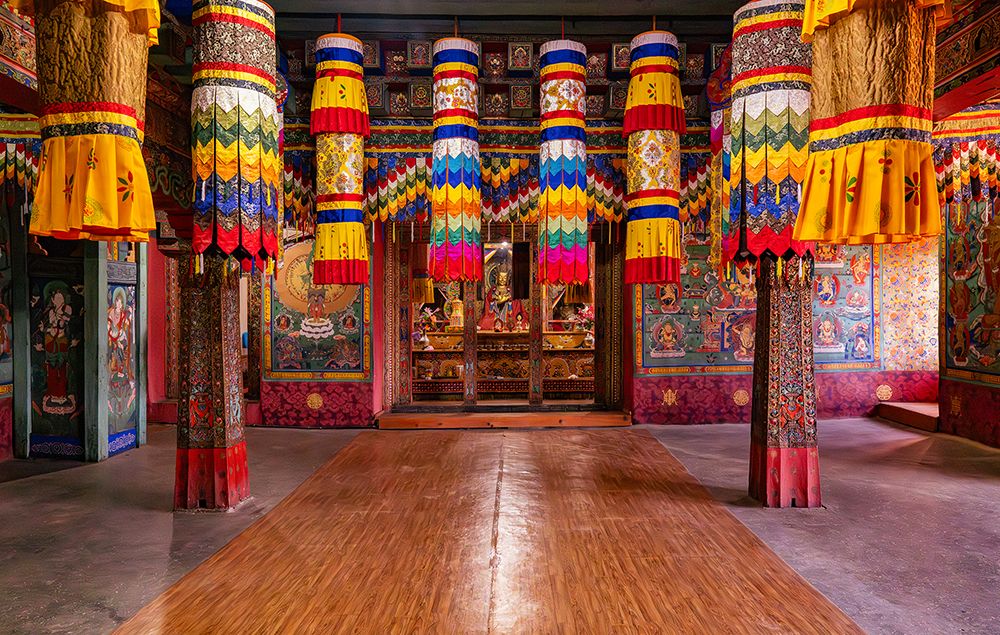
For wellness seekers wondering whether Bhutan is safe as a place to slow down and turn inward, the answer emerges naturally through experience rather than reassurance.
Hospitality, wellness, and conscious comfort
Bhutan is still relatively new to global tourism, yet its approach feels remarkably mature.
High-end properties such as Taj Paro and Gangtey coexist naturally with more intimate stays like Rimphu Heritage Homestays.
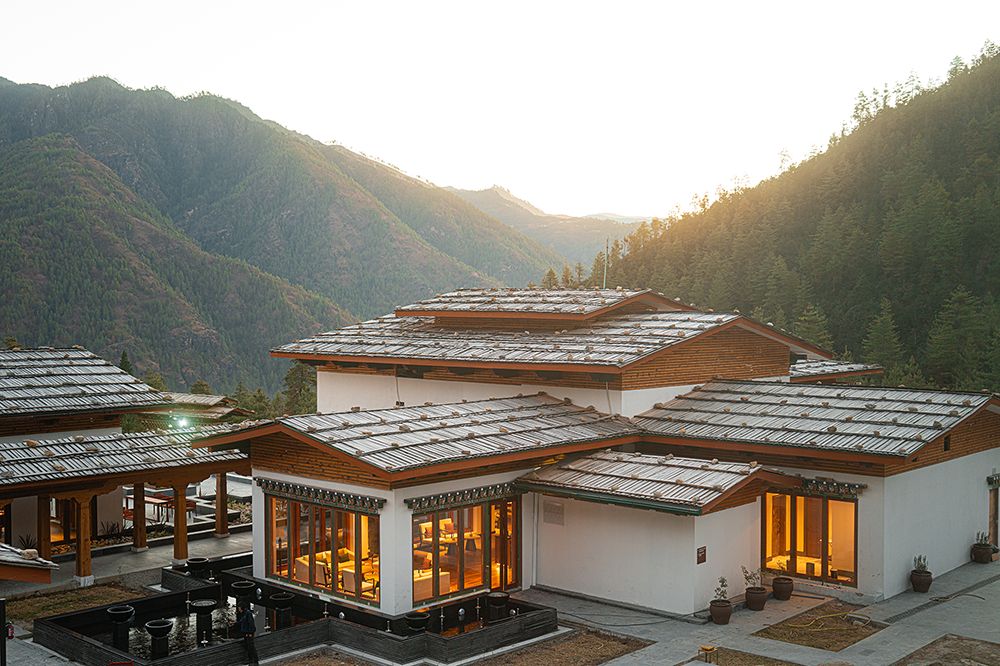
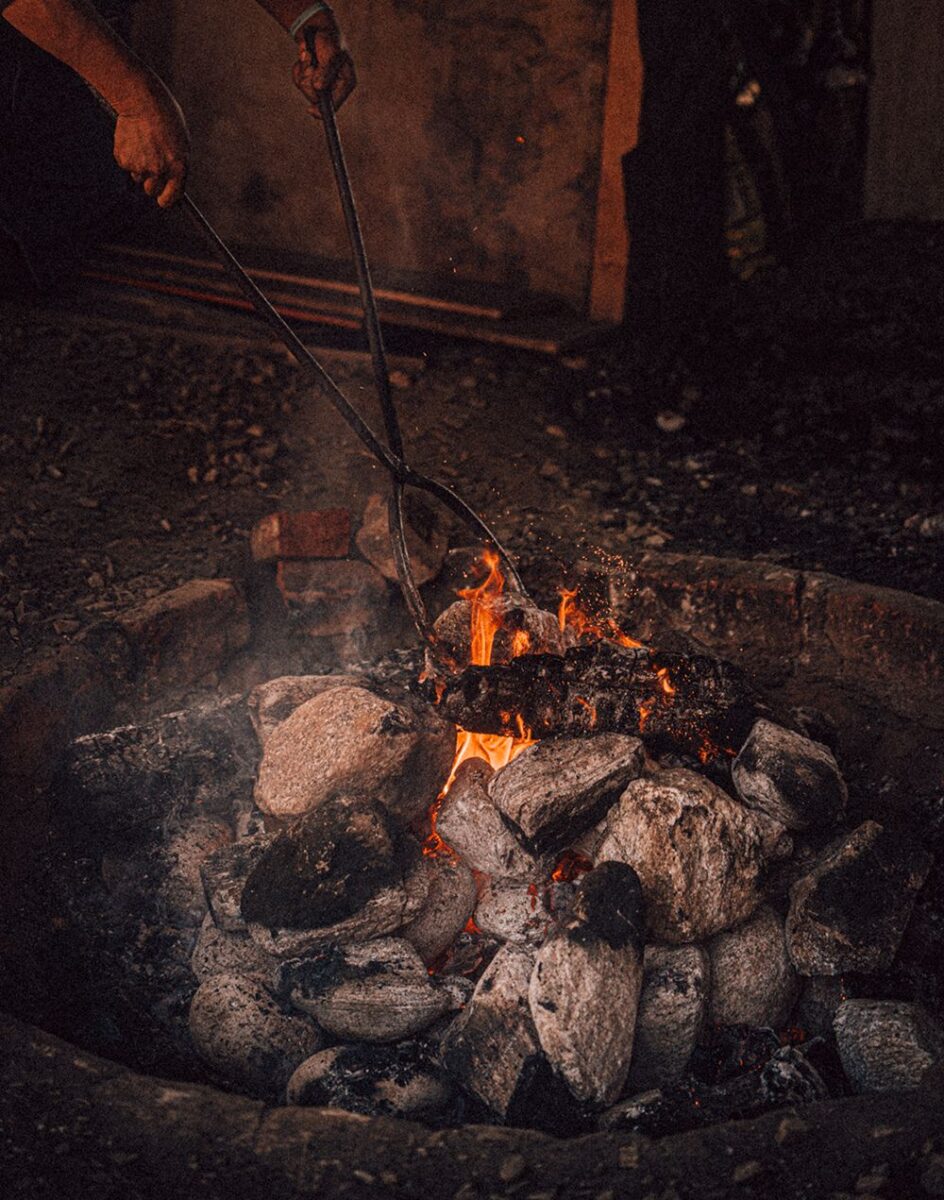
During this Bhutan trip, I experienced wellness offerings that felt rooted rather than curated. Traditional hot stone baths, temple visits, and gentle nature walks are not framed as products but as invitations.
Places like Zanta Spa blend contemporary wellness with local philosophy, making Bhutan safe for travellers seeking restoration rather than stimulation.
For those considering solo travel in Bhutan, the structured yet gentle hospitality creates a strong sense of trust.
Nature as a teacher
Nature in Bhutan does not invite conquest. It invites respect.
Trekking routes vary from accessible valley walks to demanding mountain paths, but always within carefully defined limits. Certain peaks remain off-limits entirely, protected by belief rather than enforcement.
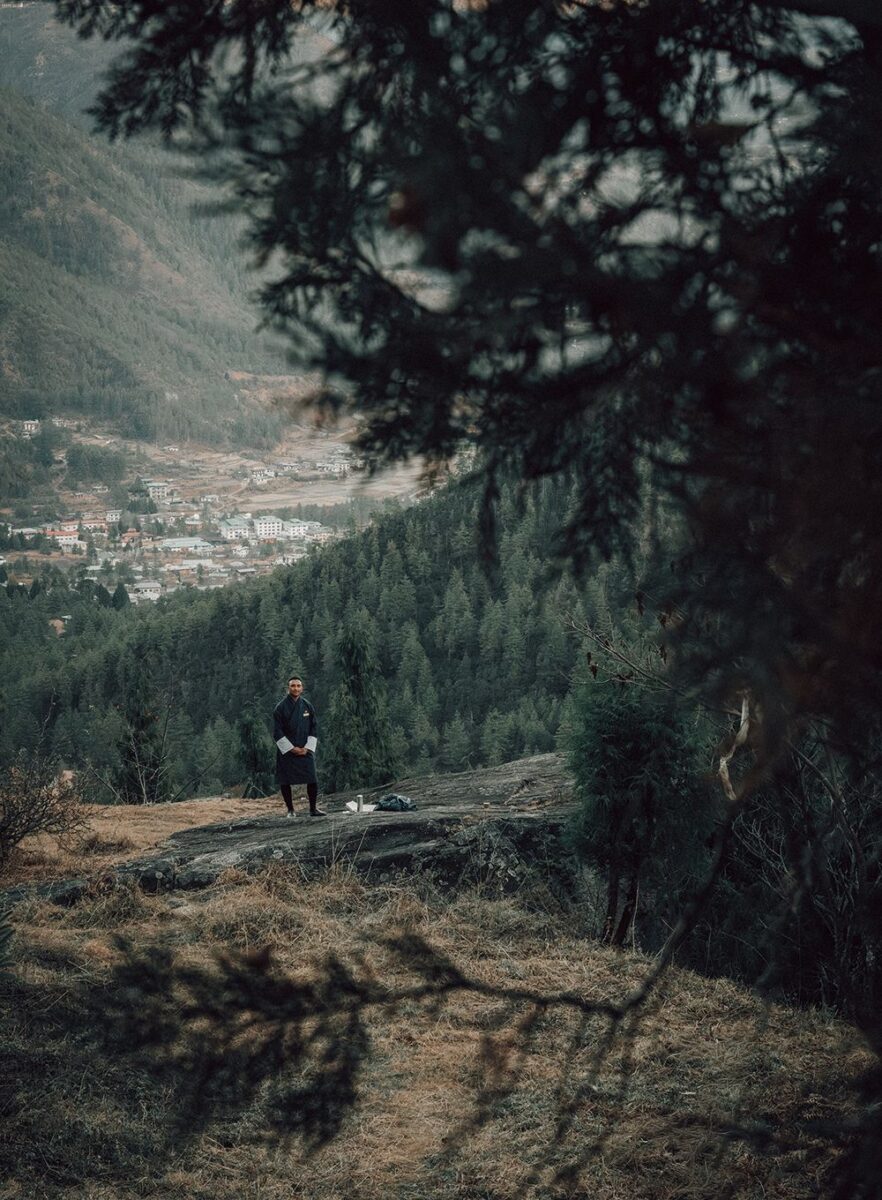
This relationship with nature shapes the journey to Bhutan in profound ways. During my time travelling in Bhutan, I felt less compelled to “achieve” and more inclined to listen.
Photography as presence
As a photographer, I found Bhutan’s photography offered something I did not expect. Photography in Bhutan is not about chasing spectacle. It is about patience.
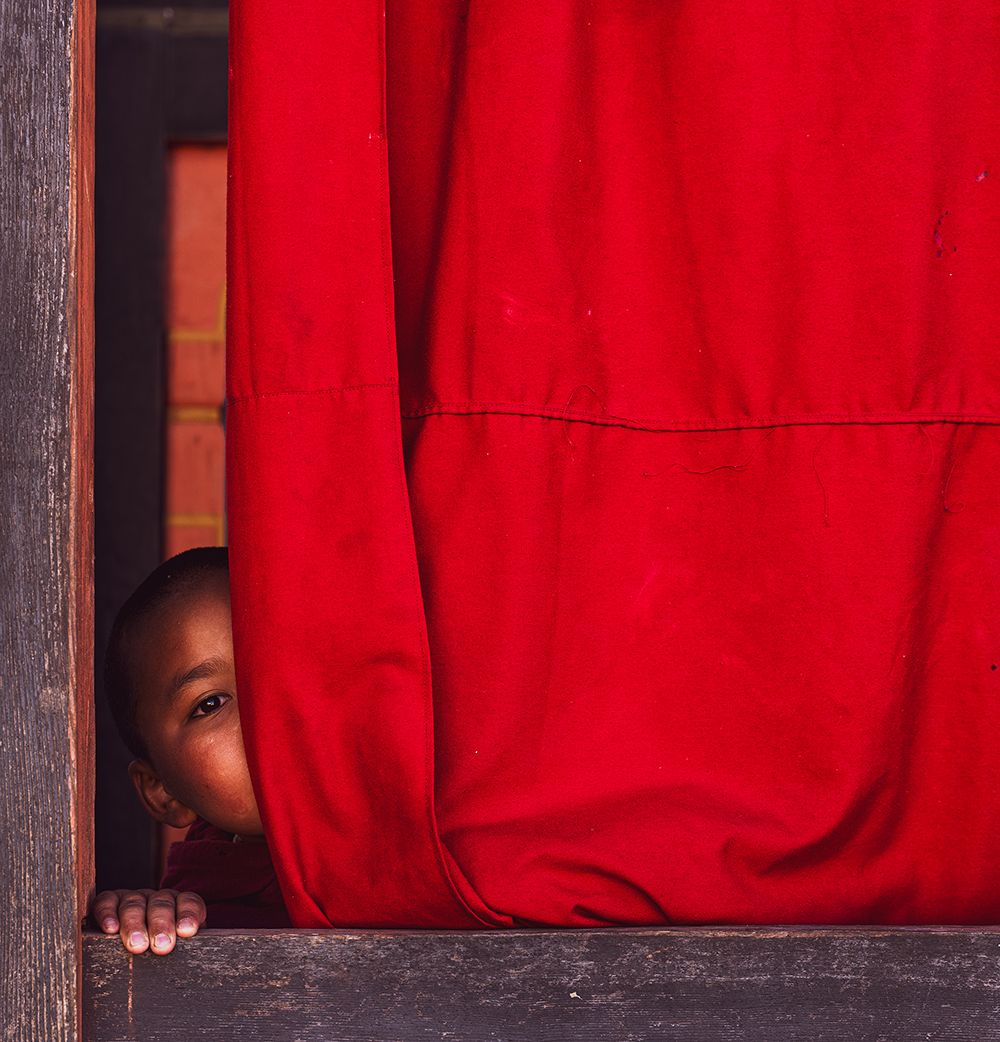
Bhutanese culture and Bhutanese people do not perform for the camera. Moments unfold quietly, and the light does most of the work. On this journey, Bhutan photography became an exercise in restraint, waiting rather than taking.
This slower pace is one of the reasons Bhutan travel resonates so strongly with mindful creatives.
Is Bhutan safe for travelers and solo visitors?
Questions about whether Bhutan is safe are common, especially for those planning solo travel in Bhutan. Based on my firsthand experience, Bhutan is safe for travellers in a way that feels structural, not enforced.
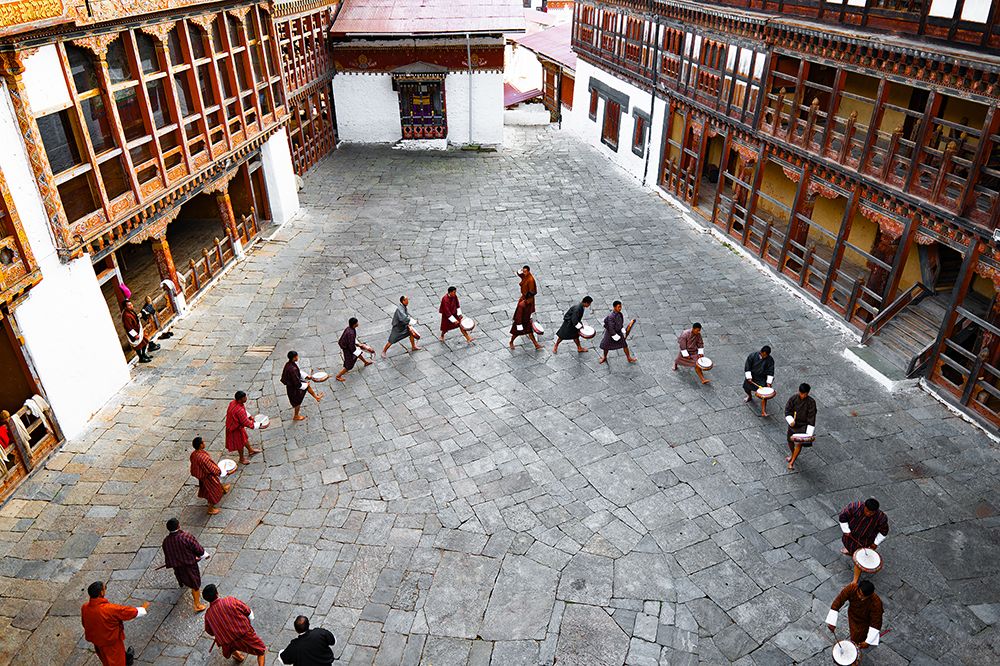
Visitors must arrange travel through a licensed Bhutanese tour guide, such as DrukAsia, providing a framework of support without limiting their freedom.
The Bhutan visa process is straightforward when handled through approved channels, and the system ensures clarity and care from arrival to departure.
This structure allows travellers to relax into the experience rather than constantly.
Why Bhutan matters now
In a world racing forward without brakes, Bhutan quietly demonstrates another rhythm. During this Bhutan trip, what stayed with me was not a single landmark, not even Tiger’s Nest Monastery, but a feeling of coherence.
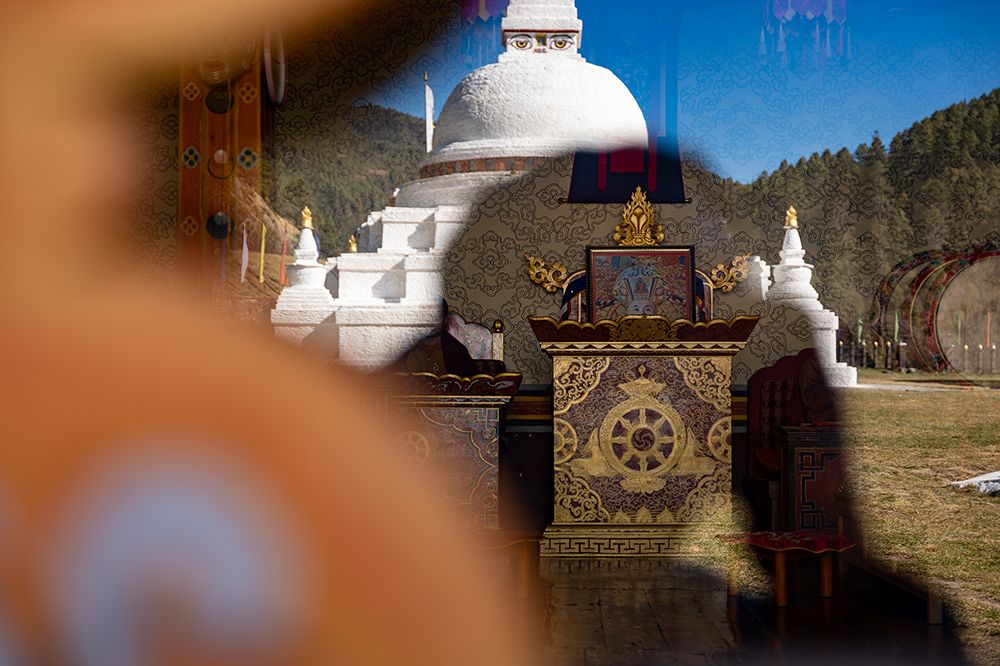
Bhutan does not ask us to abandon modern life. It shows that progress can exist without erasing identity. Culture, once diluted, cannot be reclaimed. Bhutan understands this deeply.
As the Last Himalayan Kingdom opens itself to the world, it does so without surrendering its essence. For those considering travel to Bhutan, this is what makes the journey meaningful.
Bhutan travel is not about escape. It is about recalibration.
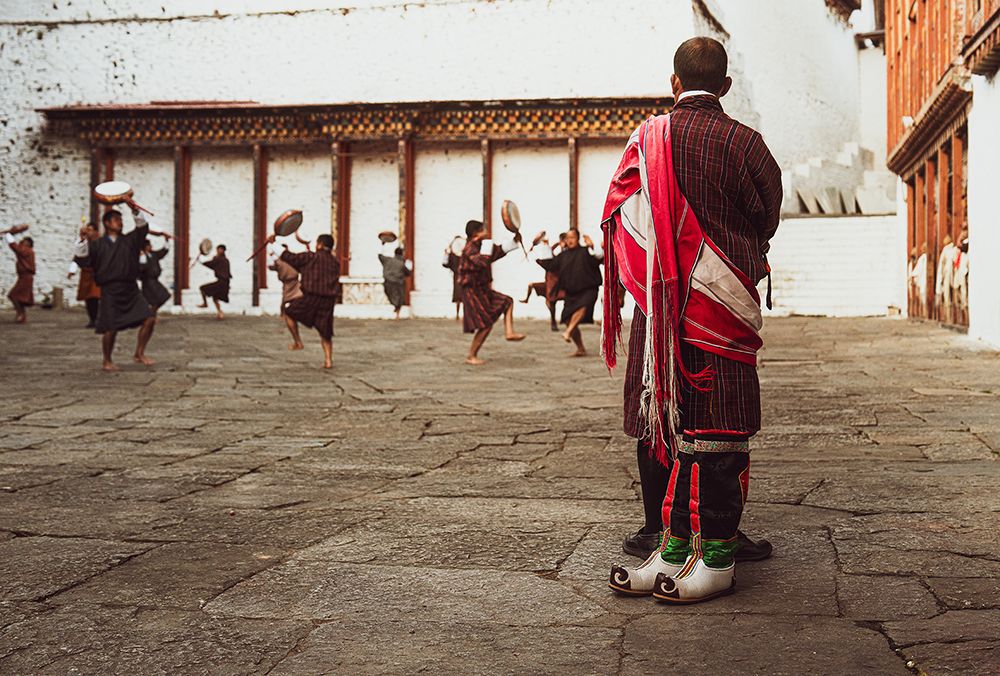
And for anyone wondering whether to travel to Bhutan in search of mindfulness, well-being, and perspective, the answer lies not in words alone, but in the experience itself.
A heartfelt appreciation to DrukAsia, SoulTrips, and the Bhutan Department of Tourism, who kindly supported and made this photographic trip a dream come true.
Free Wellness E-Book
Find Your Zen!
Your Free Guide
To Wellness
Download Your Free Guide & Receive Weekly Inspirations From The Lifestyle Of a Modern Yogi!

Great article! I really appreciate the way you explained everything so clearly – it feels like you put a lot of effort into making it useful for readers. I’ve been exploring different tools and resources myself, It’s been a game changer for me, and reading your post actually gave me even more ideas on how to apply it. Thanks for sharing such valuable insights!
Great article! I really appreciate the way you explained everything so clearly – it feels like you put a lot of effort into making it useful for readers. I’ve been exploring different tools and resources myself, It’s been a game changer for me, and reading your post actually gave me even more ideas on how to apply it. Thanks for sharing such valuable insights!
Great article! I really appreciate the way you explained everything so clearly – it feels like you put a lot of effort into making it useful for readers. I’ve been exploring different tools and resources myself, It’s been a game changer for me, and reading your post actually gave me even more ideas on how to apply it. Thanks for sharing such valuable insights!
I appreciate how honest and calm her answers feel, not overly salesy at all.
This interview flowed really nicely and kept my attention the whole way through.
There’s a lot of depth here and I feel like I’ll need to reread it to fully absorb everything, really well done interview.
The way Martha talks about responsibility and self awareness really stood out to me, it feels empowering rather than overwhelming.
I would love to hear more examples of how people integrate this work into everyday life, but overall this was a great read.
This interview feels very aligned with other personal growth work I’ve done, but also offers a slightly different angle that’s refreshing.
Reading this made me reflect on how often we try to “fix” things on the surface without ever addressing whats happening deeper in the subconscious.
I like that this article didn’t promise instant miracles but focused more on awareness and long term transformation, which feels more realistic.
I found this interview really inspiring because it connects inner work with real life change, not just theory. You can tell Martha has actually lived what she teaches.
This interview flowed really nicely and kept my attention the whole way through.
I appreciate how honest and calm her answers feel, not overly salesy at all.
The idea that beliefs run in the background of our life really hit home for me.
Interesting approach, I’m still wrapping my head around some parts but it makes sense overall.
I’ve heard of PSYCH-K before but never really understood it until reading this article.
This made me think about some habits I keep repeating without knowing why, kinda eye opening.
I liked how Martha explained subconscious transformation in a grounded way, it didnt feel over complicated.
Never heard of this before, but I’m curious now.
Loved how simply this was explained.
i enjoy reading your articles, it is simply amazing, you are doing great work, do you post often? i will be checking you out again for your next post. you can check out webdesignagenturnürnberg.de the best webdesign agency in nuremberg Germany
i enjoy reading your articles, it is simply amazing, you are doing great work, do you post often? i will be checking you out again for your next post. you can check out webdesignagenturnürnberg.de the best webdesign agency in nuremberg Germany
This actually made me pause and reflect.
Super interesting perspective on belief change.
Really enjoyed this, lots to think about.
I have been browsing online more than three hours today, yet I never found any interesting article like yours. It is pretty worth enough for me. In my view, if all website owners and bloggers made good content as you did, the internet will be a lot more useful than ever before.
Merci Ismael 🙂