Tree Pose (Vrksasana): Benefits, alignment, and how to practice


Tree Pose, known in Sanskrit as Vrksasana, is one of the most recognizable balancing postures in yoga. This foundational standing pose develops stability, focus, and calm concentration while strengthening the legs and core.
Although Tree Pose is commonly introduced to beginners, the pose contains subtle alignment details that make it valuable for practitioners of all levels.
Quick answer
Tree Pose (Vrksasana) is a standing balance where you root one foot into the floor and rest the other foot against the standing leg while bringing the hands to the chest or overhead. Placing the lifted foot on the calf or thigh, never on the knee joint, keeps the pose safe.
Practicing Tree Pose regularly improves balance, posture, and body awareness. It also teaches patience and focus, two qualities that are essential for developing a steady yoga practice. Tree Pose is often practiced after grounding postures such as Mountain Pose and prepares the body for more advanced standing and balancing poses.
Benefits of Tree pose
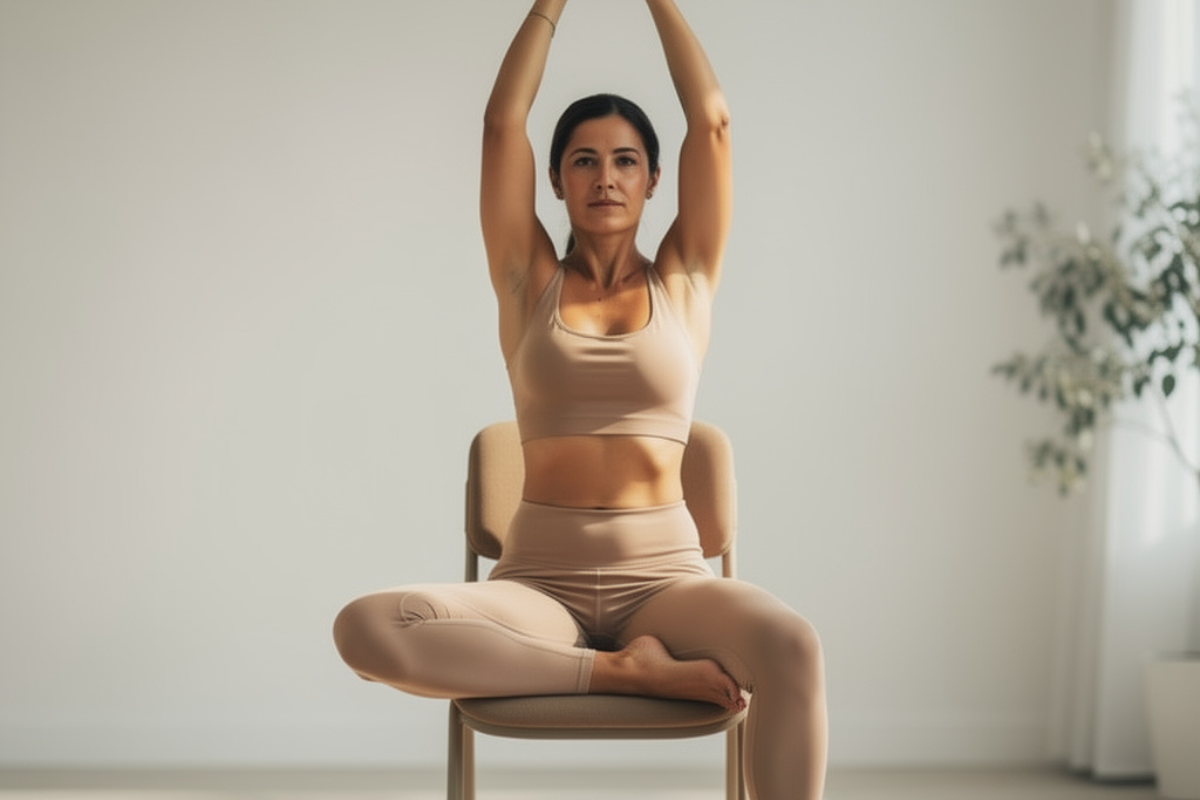
Tree Pose offers both physical and mental benefits.
• strengthens the legs, ankles, and feet
• improves balance and stability
• activates the core muscles
• opens the hips
• improves posture and spinal alignment
• enhances concentration and mental focus
• supports coordination and body awareness
Because Tree Pose requires steady attention and controlled breathing, it is often used to cultivate mindfulness during yoga practice.
How to practice Tree pose
Follow these steps to enter Tree pose safely.
- Begin standing in Mountain Pose with your feet together and your spine tall.
- Shift your weight into your left foot and ground firmly through the sole.
- Lift your right foot and place it on the inner calf or inner thigh of the standing leg.
- Avoid placing the foot directly on the knee joint.
- Bring your palms together in front of the chest in prayer position.
- Focus your gaze on a fixed point in front of you to maintain balance.
- Lengthen the spine upward while relaxing the shoulders.
- Hold the pose for several breaths and then repeat on the other side.
Tree Pose is often practiced after foundational standing postures such as Mountain Pose.
Alignment tips

Proper alignment makes Tree Pose more stable and helps prevent strain.
• press the lifted foot firmly into the standing leg
• keep the standing leg active and strong
• keep the hips level and facing forward
• lengthen through the crown of the head
• relax the shoulders and maintain steady breathing
Practicing with patience helps develop balance and control over time.
Common mistakes
Even though Tree Pose appears simple, several mistakes can affect stability.
• placing the foot directly on the knee joint
• collapsing the standing hip outward
• leaning the torso forward
• gripping the shoulders with tension
• looking around instead of focusing on a fixed point
Maintaining a steady gaze point helps stabilize the body.

Tree pose modifications
Beginners can use simple modifications to build confidence.
• keep the toes of the lifted foot on the floor with the heel against the ankle
• place the foot on the calf instead of the thigh
• practice next to a wall for support
• keep hands on the hips instead of overhead
These modifications allow practitioners to build strength and balance gradually.
Advanced variations
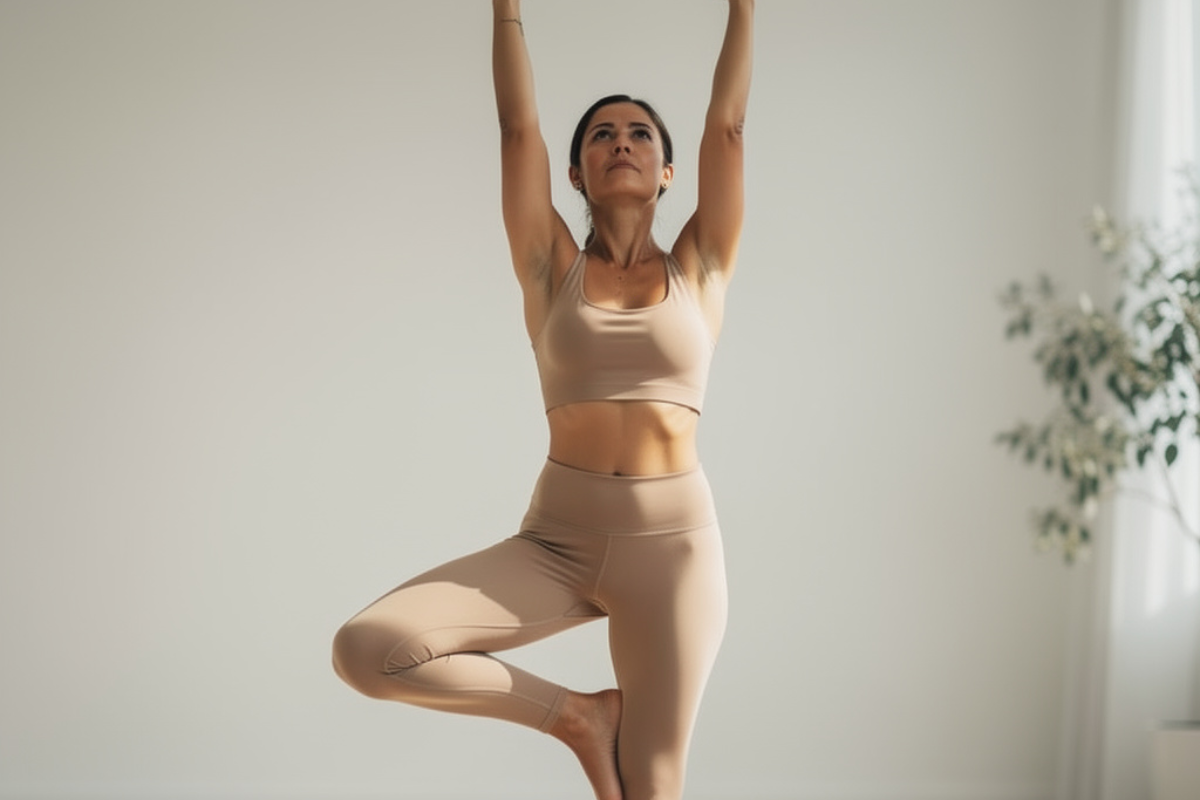
Once balance improves, Tree Pose can be expanded with more challenging variations.
• extend the arms overhead with palms touching
• interlace the fingers and stretch the arms upward
• practice with the eyes closed to challenge balance
• move into Half Lotus Tree Pose
• transition from Tree Pose into Half Moon Pose.
These variations strengthen the stabilizing muscles of the legs and core.
Contraindications
Tree Pose is generally safe but may require caution for certain conditions.
Avoid or modify the pose if you have:
• ankle injuries
• knee instability
• severe balance difficulties
• recent hip injuries
Practicing with a qualified yoga teacher can help ensure proper alignment.
Meaning of Vrksasana
The Sanskrit name Vrksasana comes from two words.
Vrksa means tree.
Asana means posture.
The pose represents the steady strength of a tree rooted firmly in the earth while growing upward. In yoga philosophy, the tree symbolizes grounding, balance, and calm stability.
Tree Pose in Yoga sequences
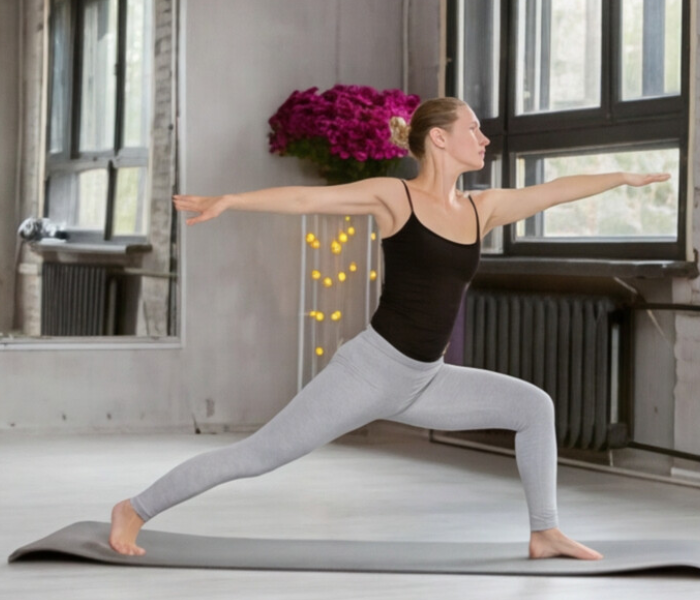
Tree Pose often appears in sequences focused on standing balance and stability. It prepares the body for other standing postures such as Warrior II and Extended Side Angle Pose.
Extended Side Angle Pose
Practicing these poses together helps develop strength in the legs while improving balance and coordination.
Tree Pose is also part of the larger group of standing yoga poses
Developing balance through Tree pose
Balancing postures like Tree Pose improve more than physical stability. They also cultivate mental clarity and concentration. By focusing the gaze and steadying the breath, practitioners develop a sense of calm attention that carries into other aspects of yoga practice.
Over time, Tree Pose becomes more than a simple balancing exercise. It teaches patience, awareness, and the ability to remain steady even when the body wavers. As balance improves, Tree Pose becomes a gateway to more advanced standing and balancing poses throughout a yoga practice.
FAQs
Place it on your calf or upper thigh, never directly on the knee, since pressing on the knee joint can strain it. Standing near a wall gives extra support while you build balance.
Wobbling is a normal part of building balance, not a sign you’re doing it wrong. Fixing your gaze on a still point and pressing evenly through the standing foot usually helps steady you.

Free Wellness E-Book
Find Your Zen!
Your Free Guide
To Wellness
Download Your Free Guide & Receive Weekly Inspirations From The Lifestyle Of a Modern Yogi!