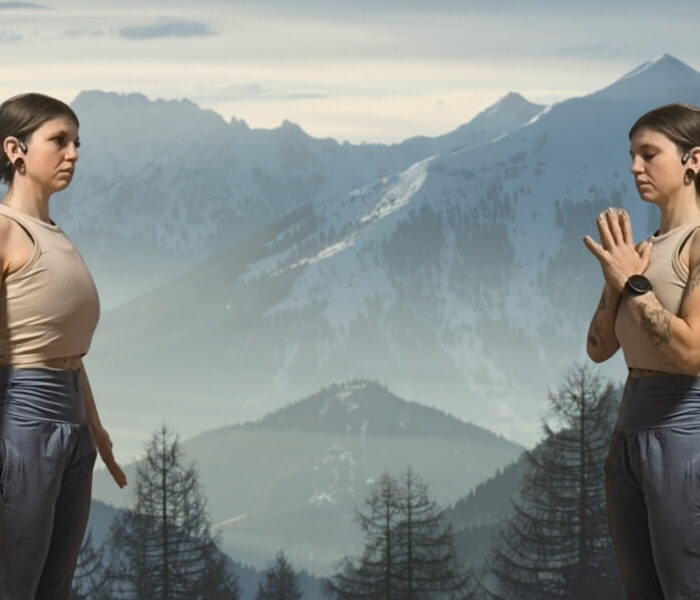
Six sitting methods for practicing meditation

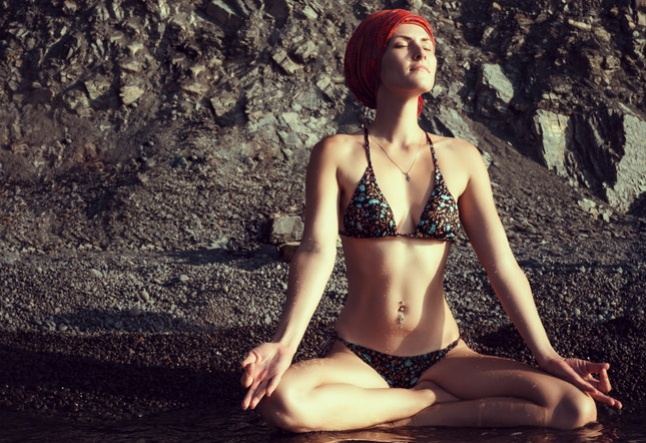
How you can start meditation
Meditation is a practice used worldwide across various cultures and traditions. The postures associated with meditation have evolved with different practices, branches, and needs.
Interestingly, despite the vast variety of meditation postures, they share some key similarities. For example, if you were to photograph people meditating across different cultures, you would notice that most postures have striking similarities.
Related >>> Yoga practice
Why is this?
The reason lies in the fundamental concepts and basic elements of meditation, which are universal. Thus, regardless of culture or form, the core principles remain the same. So, when starting meditation, it’s important to approach it with an open mind-free of prejudice. Only then can you truly experience the practice’s benefits.
Are you unsure about which posture is best for you? Let’s explore the universal meditation postures in more detail.
The first point: how you sit while meditating
There are six popular sitting methods for practicing meditation. Here’s a breakdown of each:
Quarter lotus
This is often seen as the simplest and most effective sitting posture for meditation. Sit with your legs loosely crossed, placing each foot below the opposite thigh.
Also read >>> Ziva Meditation
Half lotus
If the quarter lotus feels uncomfortable or challenging, the half lotus might be a good alternative. In this posture, you cross your right leg and place it on top of your opposite thigh, while your left leg rests beneath it.
Full lotus
The full lotus is considered an advanced posture. Though it might seem intimidating or even painful for beginners, it is revered by experienced meditators. The legs are tightly crossed, with each foot placed over the opposite thigh, resembling the classic ‘lotus pose’ or ‘padmasana’.
The Burmese position
For those who struggle to sit cross-legged, the Burmese position offers a more accessible option. Sit with both feet flat on the floor in ‘sukhasana’, also known as the ‘easy pose’. This is a comfortable and simple position to adopt.
Seiza
Derived from ‘virasana’ and ‘vajrasana’ (hero pose and thunderbolt pose), the Seiza position is one of the healthiest ways to sit for meditation. To achieve this posture, kneel with a cushion between your legs for support.
Also read >>> Core facts and essence of Yoga
Chair
If sitting on the floor isn’t comfortable, you can meditate while seated in a chair. The key is to sit upright, ensuring that your knees, hips, and feet are aligned.
Meditation is not bound by posture or location. You can practice meditation anywhere, as long as you bring attention and awareness to the moment. Whether sitting in full lotus pose or comfortably in a chair, maintaining mindfulness is essential to a successful meditation practice.
Too busy to meditate?
If you find it difficult to meditate due to time constraints, consider learning a simple and effective technique from Emily Fletcher at Yogi Times University. In just a few minutes each day, you can experience the transformative benefits of meditation without becoming a meditation master. TY who shares a powerful yet easy to use meditation technique for every day practice. In just a few minutes you can harness the powerful effects of meditation without having to become a meditation master.



Free Wellness E-Book
Find Your Zen!
Your Free Guide
To Wellness
Download Your Free Guide & Receive Weekly Inspirations From The Lifestyle Of a Modern Yogi!