is ashtanga yoga hard?

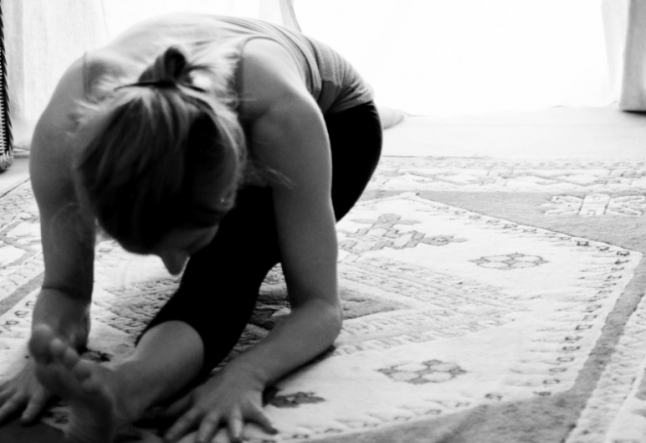
Yes, Ashtanga yoga is hard. It’s a demanding practice that requires dedication, discipline, and a willingness to face both physical and emotional challenges.
The sequences are rigorous, and the practice reveals all your struggles and weaknesses, pushing you to confront them head-on.
It’s not just the physical postures that are difficult; the mental and emotional aspects can be equally challenging.
However, this difficulty is also what makes Ashtanga yoga so transformative and rewarding. The practice teaches you resilience, patience, and self-awareness, leading to profound personal growth.
Key Takeaways
- Ashtanga yoga is challenging both physically and emotionally, but this difficulty leads to profound personal growth and transformation.
- Regular practice can significantly improve sleep, diet, mental health, and overall well-being.
- The practice helps develop inner strength, character, and equanimity by confronting and working through personal challenges.
- Being part of a supportive and positive community enhances the practice experience and provides additional motivation and inspiration.
Starting the Practice
So, is Ashtanga yoga hard? Absolutely.
I began this practice back in November and started a home practice around early January. I couldn’t afford to become a member of a studio, so in addition to my home practice, I did guided led classes once or twice a week.
Just that was changing my life, so out of self-love, I finally decided to roll the dice and have faith that the finances would work themselves out and enrolled as a member, which allowed me to start Mysore style Ashtanga yoga.
Transformation Through Practice
I think a lot of us come to this practice and are looking for transformation, and the practice does indeed provide transformation in a very short period of time, at least for me it has. I now wake up at 5:30 am most days, drive to the beach to the shala, I arrive, and the usually sunny and loud south beach streets are dark, quiet, and very peaceful.
The Mysore Experience
I enter the shala, greet the front desk lady, and grab a towel. I walk into the Mysore room, my teacher points to my spot. I set up my mat, try not to step on anyone in the packed room. I still can’t believe how many people wake up this early to do this, and I just think these people must be nuts, and then realize I’m there too most days with them.
The Emotional Journey
I do my opening prayers to myself, and then jump right into it. There’s always a feeling of “oh here we go again,” then I just try my best not to get frustrated. Sometimes a sense of unworthiness creeps in, and anger and ego poke their heads in too most of the time. I also get very hard on myself and compare myself to others.
These are the negative tendencies of my personality that have been expressing themselves lately in my practice.
This is what gets expressed when I am going through really difficult situations in life if I’m not being conscious and aware.
Using Asana to Build Awareness
I believe you can use your asana practice to help you become aware of how you react to things when you’re being tested.
Then you can try and be aware of those emotions during your practice. Try your best not to get stuck in the same loop of emotions and instead of reacting to them, respond with equanimity and just accept yourself.
Developing Inner Strength
This is all about becoming stronger inside. It’s about developing your character, integrity, and equanimity. It’s about doing the work you need to do to transcend and let go of the bad stuff in you so you can become a better person with more happiness, joy, and peace inside.
The Spiritual Practice of Yoga
That’s why yoga is a spiritual practice, a very strong one at that. It breaks you down. I have faith that eventually it builds you back up.
Facing Fears in Practice
Lately, I’ve been getting stuck in all my fears, though. Every single day I fall out of Utthita Hasta Padangusthasana and get pissed off, I get frustrated in backbends, I hate Janu Sirasana C on the right side, and my shoulders fight with all their might to bind in anything.
I do a good job at not getting distracted by all the incredibly flexible people, just looking at my drishti minding my own business, but who am I kidding, it’s a distraction.
The Challenge and Reward
I don’t know how this works, but this practice just reveals all your suffering to you. It’s really amazing, and it’s really hard. I have a lot of admiration and respect for longtime ashtangi’s and I often wonder if this is easy for them or if everyone is going through their own unique struggle in their practice. Am I the only challenged one?
Positive Changes
The strangest thing, though, is that after only a couple of months of daily practice and a month of Mysore, I feel really good inside, like really good!
My sleep schedule is better, waking up early and sitting down for breakfast after practice with my book about Guruji and fresh squeezed orange juice is insanely amazing. My diet is a lot better, my anxiety is gone, and I feel more alive.
Healing and Joy
I feel really happy and joyful, cracking more jokes than usual, and it really helped me to heal from a breakup in a really healthy way.
My spiritual self-study time has been so much more focused, and I am really loving the Yoga Sutra class being taught by my teacher and getting to hang with all the amazing people at the shala. Just being around positive people that you look up to makes you stronger and gives you something to strive for.
Further Exploration
You might also like to learn about ashtanga yoga in bali.

Free Wellness E-Book
Find Your Zen!
Your Free Guide
To Wellness
Download Your Free Guide & Receive Weekly Inspirations From The Lifestyle Of a Modern Yogi!